
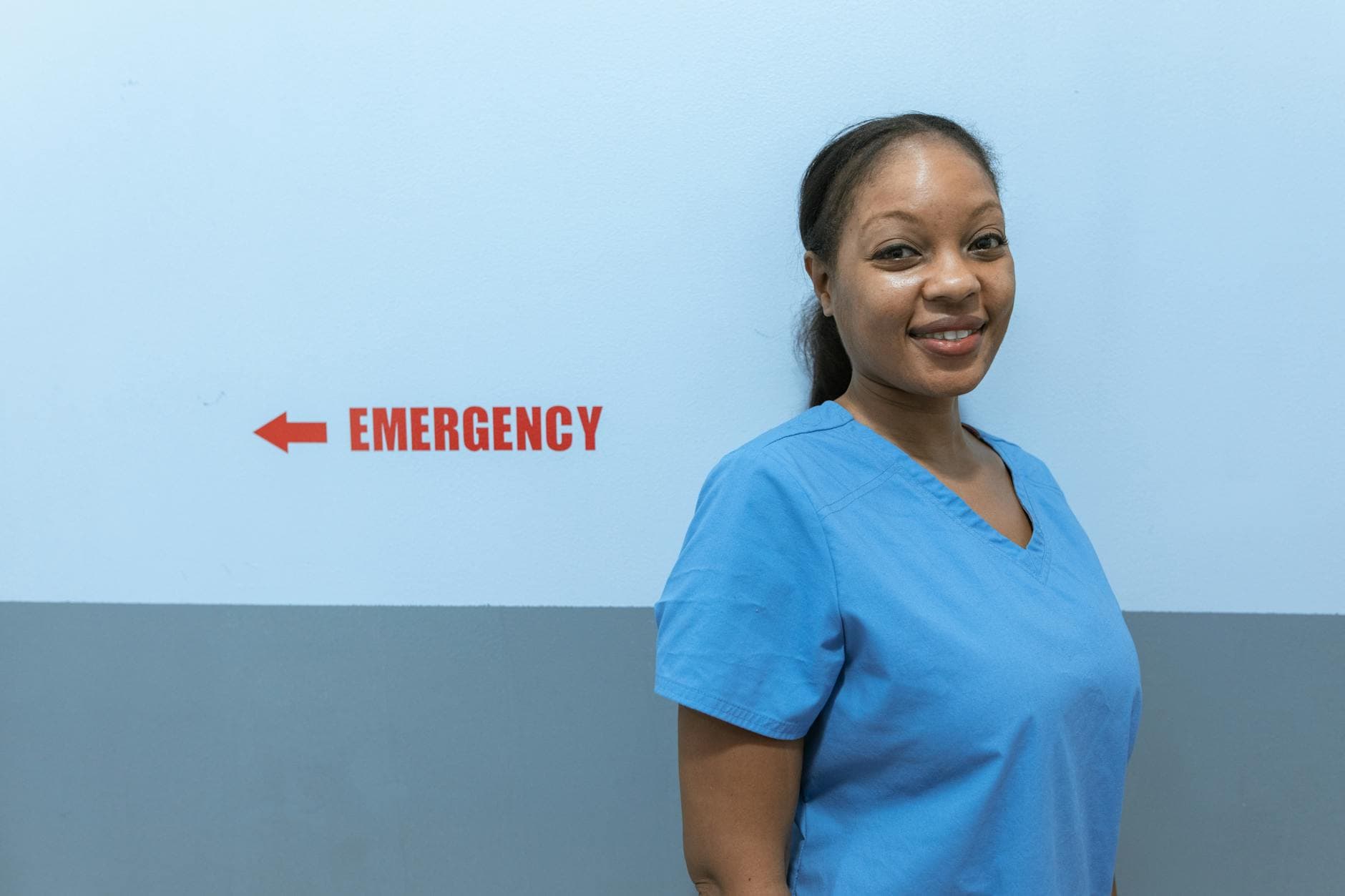
Healthcare worker injuries and California workers' comp
The first call we get from injured nurses, CNAs, and hospital staff is rarely about the injury itself. It is about the schedule. The MPN. The fear of being labeled a complainer in a unit that is already short-staffed. California's workers' compensation system has specialized rules for healthcare-worker injuries — but those rules only protect you if you assert them.
Patient-handling injuries — back, shoulder, neck, and knee strains from lifting, transferring, and repositioning patients — are the most frequent. Cumulative trauma to the lumbar and cervical spine accumulates over years of bedside work. Needlestick and sharps injuries are sudden but consequential. Communicable disease exposure in clinical settings has its own statutory framework. Workplace violence — patient assaults and family-member confrontations — is increasingly common in emergency, behavioral health, and long-term care settings.
Communicable disease and bloodborne exposure
California has specialized rules for healthcare worker exposure claims. Labor Code §3208.05 expressly recognizes occupational exposure to bloodborne pathogens (HIV, HBV, HCV) sustained in the course of employment as a compensable workplace injury[2]. For COVID-19 specifically, §3212.87 created a rebuttable presumption that COVID-19 in frontline healthcare workers and first responders within specified periods is industrial. The presumption can be rebutted by evidence of non-occupational exposure, but the burden shifts when the statutory elements are met.
Post-exposure care is time-sensitive. Post-exposure prophylaxis for HIV is most effective when started within hours of exposure, and HBV vaccination follow-up has its own clinical protocol. Workers' comp should cover initial treatment, baseline and follow-up testing, vaccination boosters, and treatment of any seroconversion.
Patient-handling and cumulative trauma
The lifting and transferring required of bedside nursing and CNA work routinely produces both specific injuries (a herniated disc on a single lift) and cumulative trauma over the course of a career. Labor Code §3208.1 expressly covers cumulative injury "occurring as repetitive mentally or physically traumatic activities extending over a period of time, the combined effect of which causes any disability or need for medical treatment"[3]. California's Hospital Patient and Health Care Worker Injury Protection Act (Labor Code §6403.5) requires acute care hospitals to implement safe patient handling policies — and citations or violations can support claims of serious and willful misconduct under §4553 in egregious cases.
Workplace violence
Patient and visitor assaults in healthcare settings are workers' comp injuries when they arise out of employment. Cal/OSHA's workplace violence prevention standard for healthcare (8 CCR §3342) requires hospitals and certain other healthcare employers to maintain workplace violence prevention plans, conduct hazard assessments, and report violent incidents. Where the violence produces psychiatric injury, a separate or combined claim under §3208.3 may apply.
Benefits healthcare workers may be entitled to
The standard benefit package applies: medical treatment under §4600, temporary disability indemnity under §4653 at two-thirds of average weekly earnings (with the rate caps in §4453), permanent disability rated under the 2005 schedule and paid at the §4658 rates, and a supplemental job displacement voucher where return to the same job is not possible. Where the injury results in death, dependent benefits are payable under §4751.
What the claims process looks like
Reporting begins with written notice to the employer and completion of the DWC-1 within 30 days under §5400. The §5402 90-day acceptance window then runs, with up to $10,000 in medical care authorized during investigation. Disputed cases move into the §§4060–4062 medical-legal framework — with QME specialty selection particularly important in healthcare cases where multiple body systems may be involved.
A frequently overlooked issue: many hospital employees are treated initially within the hospital's own occupational-health MPN. That can create a real or perceived conflict of interest, and workers should consider pre-designating a personal physician under §4600(d) before any injury.
Common insurer tactics
Carriers commonly press apportionment under §4663 in cumulative trauma cases — attributing spine and shoulder degeneration to age and prior activity rather than years of patient handling. They challenge causation in psychiatric and exposure claims, requiring detailed medical-legal evidence. They scrutinize "off-duty" vs. on-duty timing in violent incidents.
How Winters & Banks helps healthcare workers
Healthcare workers are some of the most determined clients I represent — and some of the most reluctant to file a claim. I handle MPN issues, exposure presumptions, cumulative trauma framing, and settlement structuring, while making sure your reporting and treatment record do not become the reason your claim gets contested.
References
- Cal. Labor Code §3208 (definition of injury) — California Labor Code
- Cal. Labor Code §3208.1 (cumulative injury) — California Labor Code
Talk to an attorney about your case — free, confidential, no fee unless we win.
Frequently Asked Questions
Related Practice Areas
- Back & Spine InjuriesWorkers' comp claims for herniated discs, fractures, and chronic back pain caused by your job.
- Cumulative Trauma InjuriesWorkers' comp claims for repetitive-strain and gradual-onset injuries caused by years of job duties.
- Mental Health & PTSD ClaimsWorkers' comp for psychiatric injuries, PTSD, and stress-related conditions caused by workplace events.
- Repetitive Stress InjuriesWorkers' comp claims for carpal tunnel, tendinitis, and other injuries caused by repeated motions at work.
Serving These Areas
We handle workers' comp claims throughout Orange County and the surrounding region.
- Anaheim
- Santa Ana
- Long Beach
City-specific pages coming in Phase 4.
Get a Free Case Review
Tell us what happened. We'll review your situation and reach out to you. No fee unless we win.
Past results do not guarantee similar outcomes. The information on this page is for general educational purposes only and does not constitute legal advice.